



Whether you work in agriculture, logistics, or industry — sooner or later the question comes up: should I rent a conveyor belt, or just buy one? It sounds simple, but the right answer depends on more factors than price alone. In this article, we break it all down for you.
Renting: flexible, hassle-free, and often surprisingly cost-effective
For most businesses, renting is the smartest choice — and that applies to more situations than you might expect.
No fixed costs outside your busy season.
Many businesses only need a conveyor belt during specific periods: the harvest, a construction project, a temporary production increase. With a rented machine, you only pay when you’re actually using it. The rest of the year, it’s simply not your concern.
Maintenance and repairs? Not your problem.
As a renter, you don’t need to worry about breakdowns, worn parts, or scheduled servicing. We handle all of that. You can stay fully focused on your own work.
Always the right machine for the job.
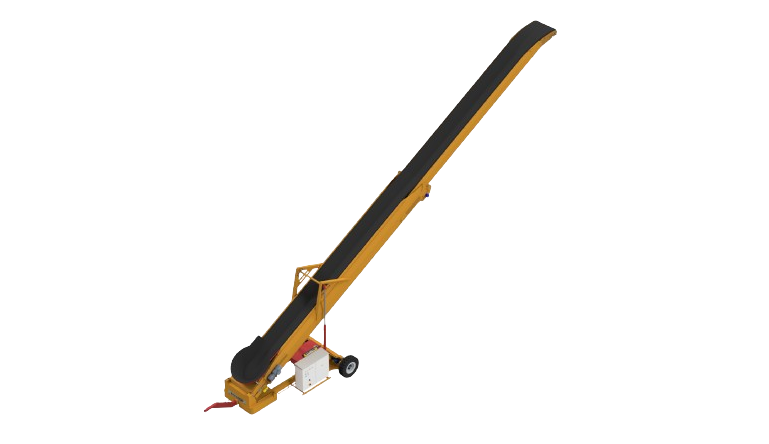
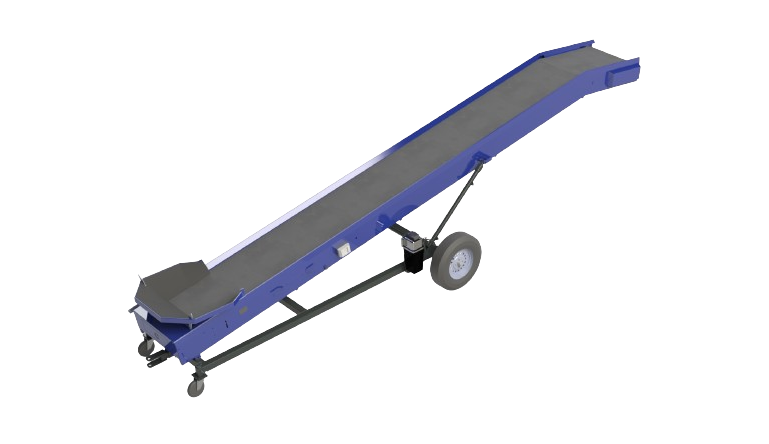
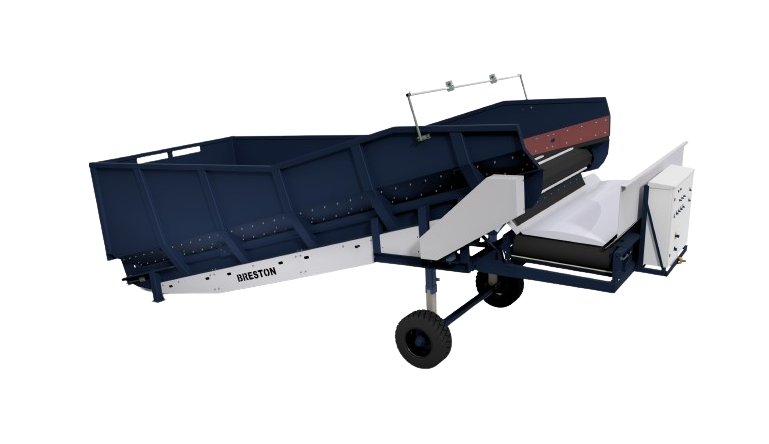
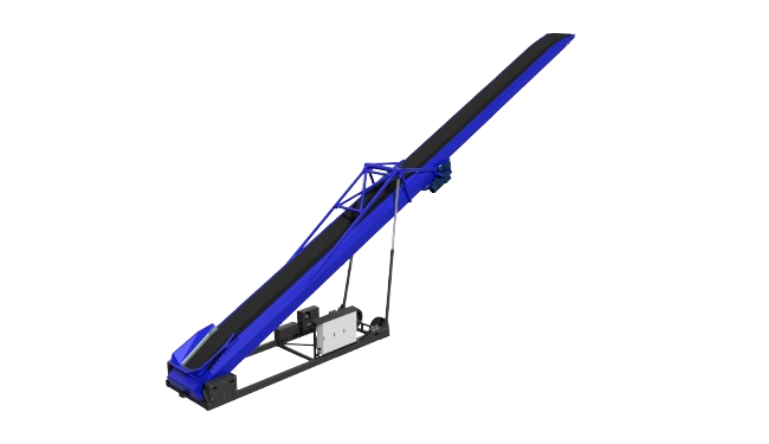
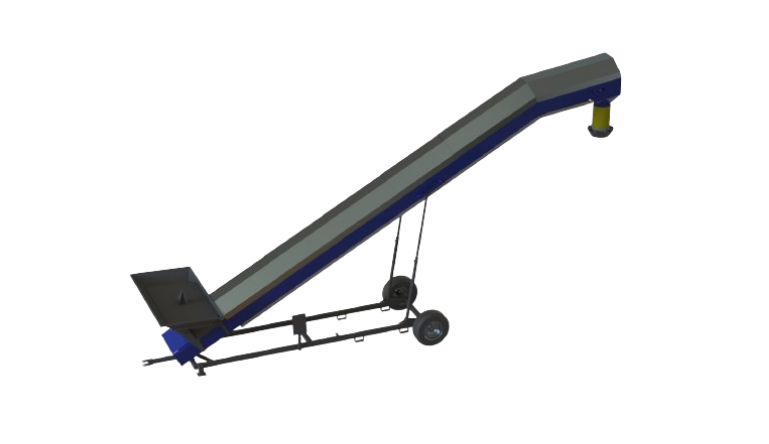
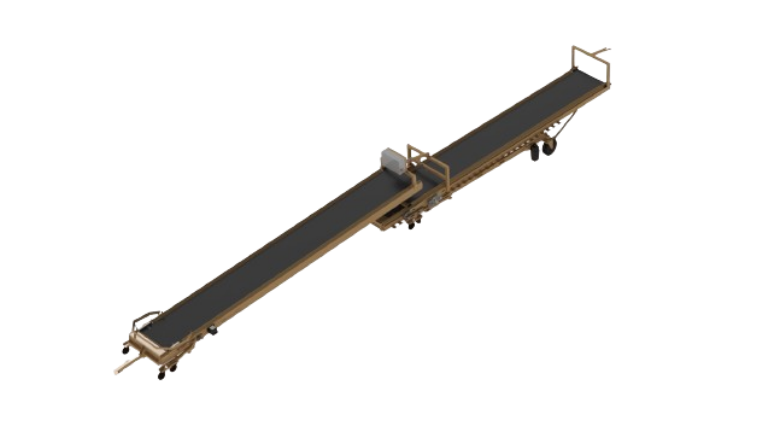
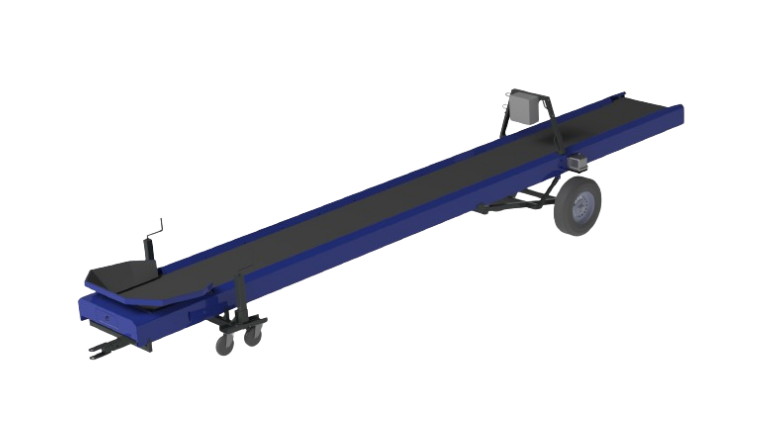
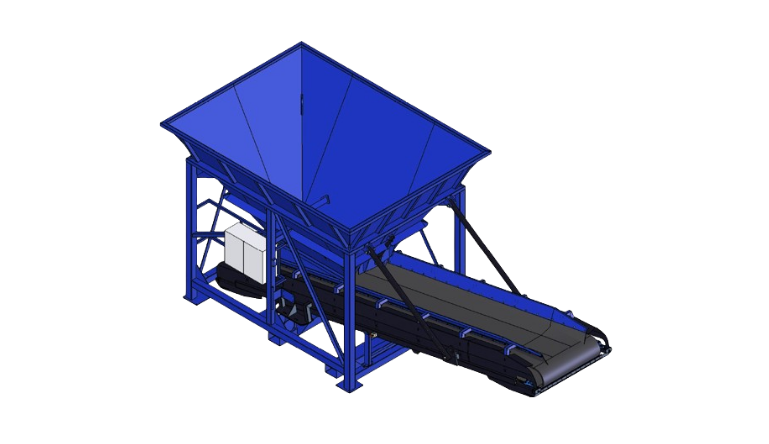
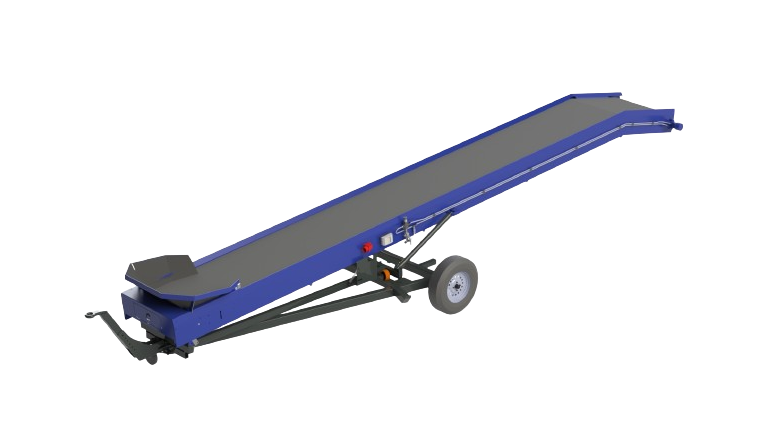
Your projects change, and so does your need for transport capacity. With rental, you choose the machine that best fits what you need at that moment — a telescopic conveyor, a trough belt, a box filler. You’re never locked in.
No large upfront investment.
You keep your capital free for the things that truly make a difference in your business. Especially in times of economic uncertainty or growth, financial flexibility is invaluable.
Less hassle with storage and insurance.
A machine you own takes up space and needs to be insured. With rental, the machine simply goes back when you’re done with it.
When is buying an option?
Buying can make sense if you use a conveyor belt on a daily basis and have been doing so for multiple years already. In that situation — where the machine is a fixed, indispensable part of a stable and predictable process — purchasing may become financially interesting over the very long term.
But even then, there are important caveats. You become responsible for maintenance, repairs, and replacement when things break down. You tie up a significant amount of capital in a machine that depreciates over time. And you lose the flexibility to adapt quickly if your situation changes.
For many businesses, even those with regular usage, renting therefore remains more attractive than it might seem at first glance.
The hidden costs of owning a machine
Many businesses compare the purchase price to the rental price and quickly conclude: buying is cheaper. But the true cost of owning a machine runs significantly higher than the sticker price alone:
- Maintenance and repairs — scheduled servicing and unexpected breakdowns are your responsibility
- Storage — a conveyor belt takes up space, space you might put to better use
- Insurance — a machine you own needs to be insured
- Depreciation — machines wear out and lose their value over the years
- Downtime during breakdowns — if your own machine fails, your entire operation grinds to a halt
With rental, all of these cost factors disappear. You pay a clear, predictable amount and know exactly what you’re getting.
Our conclusion
For most businesses, renting is the smarter choice. You stay flexible, you have no worries about maintenance or storage, and you only pay for what you actually use. Only when a conveyor belt has been an indispensable daily fixture in a fully stable process for many years might purchasing be worth considering — but even then, the additional costs and responsibilities remain an important factor.
Would you like to know which machine best suits your situation, and whether renting or buying is the smarter move for you? At Van Trier, we’re happy to think it through with you. Feel free to get in touch — no strings attached.